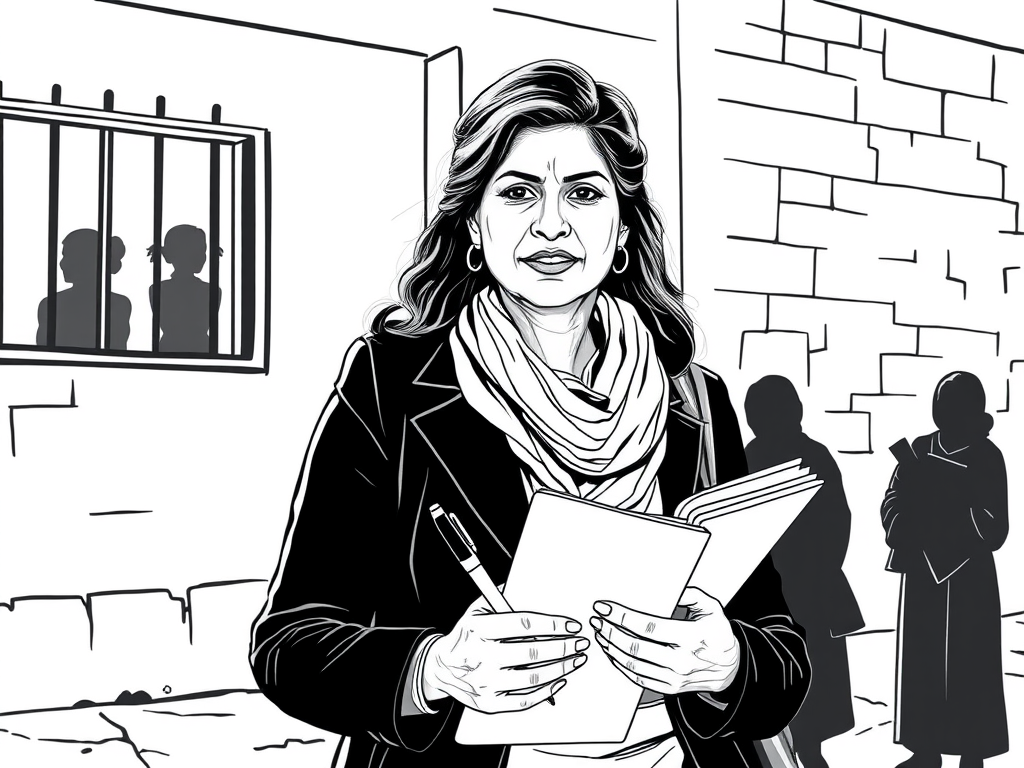
The name Sheela Barse is written in golden letters in the history of Indian human rights jurisprudence. A journalist turned human rights activist, she brought to the Supreme Court several disturbing truths about custodial violence, illegal detention, and the miserable living conditions of women and children in prisons. Her petitions — many of which were sent as simple letters — were converted into Public Interest Litigations (PILs), leading to landmark judgments that transformed India’s prison system.
This blog explains the major Sheela Barse case laws, their significance, and the broader impact they had on Indian constitutional jurisprudence, especially under Article 21 (Right to Life and Personal Liberty).
Who Was Sheela Barse?
Sheela Barse was a Mumbai-based investigative journalist who visited prisons and custodial homes to interview inmates, especially women and children. What she saw — sexual abuse, torture, illegal detention, lack of proper food and health facilities — prompted her to write to the Supreme Court. Instead of ignoring her letters, the Court treated them as writ petitions and initiated major reforms.
Sheela Barse eventually became one of the earliest journalists in India to successfully use Public Interest Litigation as a tool for social justice.
Major Sheela Barse Case Laws
1. Sheela Barse v. State of Maharashtra, (1983) 2 SCC 96
Women Prisoners and Custodial Violence
This was the first major case. While interviewing women in jail, Sheela Barse learned about:
- sexual harassment by male guards
- torture during interrogation
- absence of female police officers
- women kept in illegal custody
- no medical check-ups or basic facilities
She wrote a letter to the Supreme Court, which was treated as a PIL.
Key Directions:
- Women should be interrogated only in presence of female police officers.
- Female constables must be present during arrest of women.
- Women must be kept in separate lock-ups, guarded exclusively by women.
- Medical examination is mandatory after arrest.
- Legal aid must be provided to women prisoners.
Impact
This case established that custodial violence violates Article 21 and led to major procedural safeguards for women in custody.
2. Sheela Barse v. Union of India, (1986) 3 SCC 596
Children in Jails
During another visit, Sheela Barse found children:
- lodged in jails along with their mothers
- kept in custody despite being accused of petty offences
- lacking food, education, and proper care
The Supreme Court issued several important directions:
Key Directions:
- Children should never be kept in jail, whether accused or accompanying their mothers.
- They must be shifted to juvenile and protective homes.
- Child Welfare Committees must be strengthened.
- Free legal aid must be provided to children and parents.
- Establishment of special courts for juvenile cases.
Impact
This case paved the way for later child rights laws such as:
- Juvenile Justice Act, 1986
- Juvenile Justice (Care and Protection of Children) Act, 2000
- JJ Act, 2015 (current law)
It also emphasized that treating children with dignity is an essential part of the right to life.
3. Sheela Barse v. State of Maharashtra, (1987) 4 SCC 373
(Note: This case is also reported in AIR 1987 SC 378.)
Speedy Trial as a Fundamental Right
This case dealt with the plight of prisoners awaiting trial for years. Sheela Barse showed that many undertrials had spent more time in jail than the maximum punishment for their alleged crime.
The Supreme Court declared:
Speedy trial is a fundamental right under Article 21.
Key Directions:
- Undertrials must be released if the trial is unreasonably delayed.
- State governments must set up more courts.
- Legal aid services must be strengthened.
- Magistrates must ensure early hearing of criminal cases.
Impact
It strengthened the principle that justice delayed is justice denied and forced the State to reduce overcrowding in prisons.
4. Sheela Barse v. Secretary, Children’s Aid Society (1986, reported in 1987) 3 SCC 50
Protection of Social Workers and Access to Institutions
Sheela Barse complained that officials prevented her from inspecting children’s homes, despite her work being in public interest.
The Court held:
- Social workers, journalists, and NGOs play a crucial role in protecting vulnerable groups.
- They must not be harassed or threatened for reporting institutional abuses.
Impact
This case recognized the importance of civil society involvement in monitoring custodial institutions.
Key Legal Principles Established by Sheela Barse Cases
1. PIL Can Begin with a Simple Letter
Many of her cases started from letters.
This led to the birth of epistolary jurisdiction in India.
2. Human Rights Are Part of Article 21
Her cases expanded the meaning of “right to life,” including:
- right to dignity
- right against custodial torture
- right to legal aid
- right to speedy trial
3. Protection of Women in Custody
Her cases led to:
- mandatory female police presence
- prohibition of interrogation by male officers
- medical examination at regular intervals
4. Protection of Children
The Court recognized the special vulnerability of children and pushed for:
- separate homes
- education
- nutrition
- speedy inquiry
5. State Accountability
The Court held that the State is responsible for the safety of prisoners because of the doctrine of constitutional tort.
The Court held that the State is responsible for the safety of prisoners. These cases laid the groundwork for later recognition of the doctrine of constitutional tort in Nilabati Behera v. State of Orissa (1993).
Significance of the Sheela Barse Judgments
The Sheela Barse series of cases became a foundation for:
- prison jurisprudence
- human rights law
- reformative justice
- expanding locus standi
- strengthening legal aid
- improving juvenile justice system
She demonstrated how an ordinary citizen can bring extraordinary change through persistent activism and judicial engagement.
Conclusion
The Sheela Barse case laws form a cornerstone of India’s human rights landscape. They not only exposed shocking realities inside prisons but also compelled the judiciary to redefine the meaning of justice, dignity, and equality. Her work paved the way for stronger laws, improved prison administration, and a more humane approach to women and child rights.
Even today, courts, academicians, human rights activists, and law students refer to the Sheela Barse judgments as guiding authorities whenever custodial violence or children’s rights are in question. These cases remind us that justice must reach those who cannot reach the courts themselves.
References
- Sheela Barse v. State of Maharashtra, (1983) 2 SCC 96
- Sheela Barse v. Union of India, (1986) 3 SCC 596
- Sheela Barse v. State of Maharashtra, (1987) 4 SCC 373; also reported in AIR 1987 SC 378
- Sheela Barse v. Secretary, Children’s Aid Society, (1986, reported in 1987) 3 SCC 50
- Hussainara Khatoon v. State of Bihar, (1979) AIR 1369
- Juvenile Justice Acts (1986, 2000, 2015)
#SheelaBarse #HumanRights #SupremeCourtOfIndia #PrisonReforms #CustodialTorture #WomenRights #ChildRights #PIL #Article21 #AccessToJustice #LegalBlog #DrGaneshVisavale
Discover more from Dr. Ganesh Visavale
Subscribe to get the latest posts sent to your email.
 Dr. Ganesh Visavale