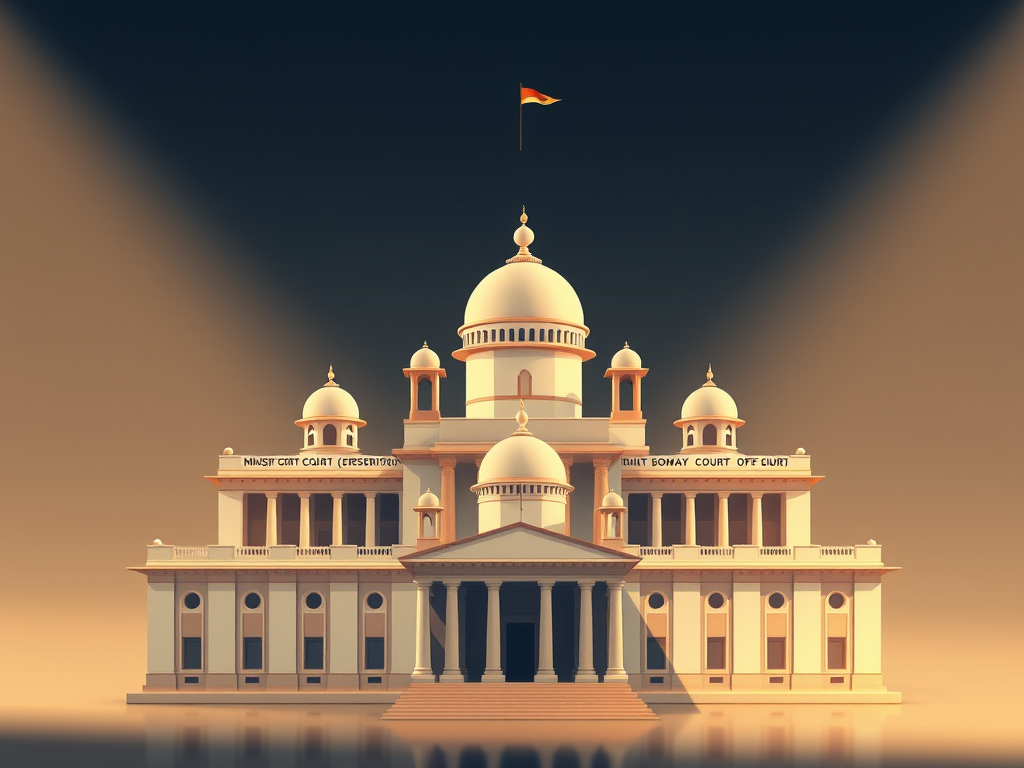
Navigating the judicial system can be intimidating, especially for individuals or businesses involved in civil or criminal disputes. Maharashtra, like other Indian states, follows a structured judicial hierarchy designed to ensure that justice is delivered efficiently and systematically. Understanding this hierarchy is essential not only for litigants but also for students, legal professionals, and anyone interested in how the law operates on the ground.
Civil Court Hierarchy in Maharashtra
Civil courts deal with disputes between individuals, companies, or institutions. These disputes typically involve property, contracts, monetary claims, or family matters. The civil judicial structure in Maharashtra follows a pyramidal system, starting from the lowest courts to the highest appellate authority:
1. Civil Judge (Junior Division) / Munsiff Court
At the base of the civil judiciary are the Munsiff Courts or Civil Judge (Junior Division) Courts. These courts handle small-value civil disputes, such as minor property claims, recovery of debts, or landlord-tenant matters. Their jurisdiction is usually limited to a specific financial threshold prescribed under local laws.
2. Civil Judge (Senior Division)
Next in the hierarchy are the Civil Judge (Senior Division) Courts. They deal with medium-value civil disputes, including significant property disputes, contractual issues, or company-related civil matters. These courts can also hear appeals from Munsiff Courts, acting as a bridge between lower courts and the district-level judiciary.
3. District Courts
District Courts serve as the primary civil courts at the district level. Presided over by a District Judge, these courts handle high-value civil disputes and have original jurisdiction in important civil matters. They also hear appeals from the Civil Judge (Senior Division) Courts. In larger districts, additional judges may be appointed to manage the workload efficiently.
4. Bombay High Court
The Bombay High Court, with principal seats in Mumbai and benches in Nagpur, Aurangabad (now also called Chhatrapati Sambhaji Nagar in some references), and new circuit bench was recently inaugurated in Kolhapur (August 2025), is the highest civil authority in Maharashtra. It has original jurisdiction in certain cases involving constitutional issues, high-value property disputes, or cases of significant public interest. The High Court also hears appeals from District Courts and exercises supervisory control over subordinate civil courts.
5. Supreme Court of India
At the apex lies the Supreme Court of India, which hears civil appeals from High Courts under Article 136 of the Constitution through Special Leave Petitions (SLPs). It serves as the final appellate forum and ensures uniformity in the interpretation of law across the country.
Criminal Court Hierarchy in Maharashtra
Criminal courts deal with offences against society, ranging from theft and assault to serious crimes like murder or corruption. Maharashtra follows a structured criminal court hierarchy, designed to handle offences based on their severity.
1. Judicial Magistrate Second Class
These courts handle minor offences, usually punishable with imprisonment of up to one year. Common cases include petty theft, minor assault, or violations of local regulations.
2. Judicial Magistrate First Class
These courts try offences punishable with imprisonment up to three years. They also conduct preliminary hearings in more serious offences before they are committed to Sessions Courts.
3. Chief Judicial Magistrate / Chief Metropolitan Magistrate
In larger districts and cities like Mumbai, the Chief Judicial Magistrate or Chief Metropolitan Magistrate courts handle offences punishable up to seven years. They also have supervisory responsibilities over other magistrate courts in their jurisdiction.
4. Sessions Courts
Presided over by a District & Sessions Judge, Sessions Courts are competent to try serious criminal offences, including murder, rape, and robbery. They also hear appeals from Magistrate Courts. In cases where the death penalty may be imposed, the Sessions Court conducts a detailed trial before referring the matter to the High Court for confirmation.
5. Bombay High Court
The High Court hears criminal appeals from Sessions Courts and exercises supervisory jurisdiction over all criminal courts in the state. It ensures that trials are conducted fairly and consistently, safeguarding the rights of the accused and the interests of justice.
6. Supreme Court of India
As in civil matters, the Supreme Court is the final authority in criminal cases. It hears appeals against High Court judgments, including Criminal Appeals under Section 374 of the CrPC, and can intervene in cases involving violations of fundamental rights.
Specialized Courts in Maharashtra
Beyond the traditional hierarchy, Maharashtra has established specialized courts to ensure quicker and more expert adjudication in specific matters:
- Family Courts – Handle disputes related to marriage, divorce, child custody, and maintenance.
- Consumer Courts – Resolve grievances under the Consumer Protection Act, such as defective goods or deficient services.
- Motor Accident Claims Tribunal (MACT) – Adjudicate compensation claims arising from road accidents.
- Fast-Track and Special Courts – Address cases involving corruption, narcotics, or sexual offences to reduce pendency and deliver swift justice.
Conclusion
The judicial hierarchy in Maharashtra is designed as a ladder of justice, ensuring that matters are addressed efficiently at the appropriate level, with multiple opportunities for appeal. For civil disputes, the path typically moves from Munsiff Courts to the District Court, then to the High Court, and finally the Supreme Court. In criminal matters, cases progress from Magistrate Courts to Sessions Courts, then to the High Court, and ultimately to the Supreme Court.
For litigants, understanding this hierarchy is crucial: it helps identify the correct forum for filing a case, anticipating appeals, and navigating procedural requirements. For law students and enthusiasts, it provides insight into the systematic delivery of justice and the mechanisms that safeguard legal rights at every level.
Ultimately, Maharashtra’s judicial framework reflects India’s commitment to a structured, fair, and accessible legal system – where every citizen, regardless of background, has a clear path to seek justice.
#MaharashtraLaw #CivilJustice #CriminalJustice #LegalHierarchy #BombayHighCourt #DistrictCourts #SupremeCourtOfIndia #Litigation #LawStudents #LegalEducation #JudicialSystem
Discover more from Dr. Ganesh Visavale
Subscribe to get the latest posts sent to your email.
 Dr. Ganesh Visavale