Introduction: A Question of Protocol or Insensitivity?
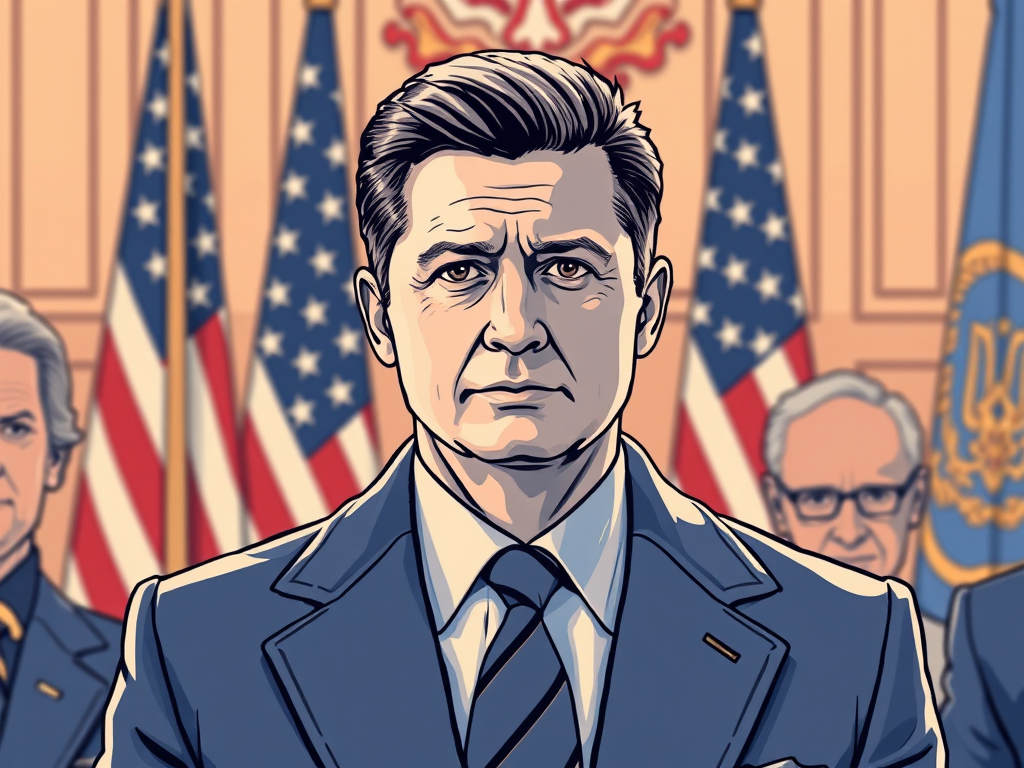
Ukrainian President Volodymyr Zelensky’s recent visit to the United States stirred an unexpected controversy- not over military aid or diplomatic relations, but his choice of attire. A U.S. media representative questioned why Zelensky did not wear a suit, sparking a debate over diplomatic decorum, symbolism in international relations, and media priorities.
Was this a valid concern under diplomatic norms, or an insensitive distraction from urgent global issues?
To understand this issue, we must delve into the legal and historical aspects of diplomatic attire, doctrines on state representation, and precedents set by world leaders in similar situations.
Diplomatic Dress Codes: Legal or Customary?
There is no binding legal requirement for how a head of state should dress on a diplomatic visit. However, customary international law (jus cogens) and diplomatic protocols emphasize the importance of attire in signaling respect and decorum. According to the Vienna Convention on Diplomatic Relations (1961), diplomats and state officials are expected to uphold the dignity of their office and comply with host country norms. While this does not mandate specific clothing, the implication is clear – appearance matters in diplomacy.
Yet, as Lord Chesterfield once said, “Dress is a very foolish thing; yet it is a very foolish thing for a man not to be well dressed.” This suggests that while dress codes may seem superficial, they carry symbolic weight in diplomacy. However, should this apply to a wartime leader whose attire embodies national struggle?
Historical Precedents: Leaders Who Defied Dress Norms
Many world leaders have defied traditional diplomatic dress codes, often as a political statement:
🔹 Mahatma Gandhi (1931, London Round Table Conference) – Gandhi wore a simple dhoti to meet King George V, despite criticism. His attire symbolized India’s struggle for independence and rejection of colonial influence.
🔹 Fidel Castro (1979, UN Visit) – Castro famously appeared in military fatigues while addressing the United Nations General Assembly, reinforcing his anti-imperialist stance.
🔹 Yasser Arafat (PLO Leader) – Arafat always wore his keffiyeh and military-style uniform, refusing to adopt a Western suit, emphasizing Palestinian resistance.
🔹 Muammar Gaddafi (2009, UN Speech) – The Libyan leader wore traditional African robes, emphasizing his Pan-African identity over Western norms.
🔹 Kim Jong-un (2023, Russia Visit) – The North Korean leader continued his tradition of wearing his signature Mao-style suit instead of a Western suit while meeting Vladimir Putin, reinforcing his country’s unique ideological stance.
🔹 Narendra Modi (2021, UNGA Speech) – Indian Prime Minister Narendra Modi opted for traditional Indian attire instead of a Western suit, highlighting India’s cultural pride on the global stage.
Clearly, Zelensky is not alone in making an intentional statement through attire. His olive-green military-style clothing serves a purpose – to reflect the reality of an ongoing war in Ukraine.
Media Responsibility & Ethical Reporting
The media plays a crucial role in shaping public perception. The question about Zelensky’s suit raises concerns about media priorities. Should journalists focus on a leader’s attire instead of his country’s pressing humanitarian crisis?
According to the “Fourth Estate Doctrine”, the press acts as a watchdog of democracy, ensuring transparency and accountability. However, when it veers into trivial distractions, it risks undermining its fundamental role. This is where the doctrine of “De minimis non curat lex” (the law does not concern itself with trifles) applies—should media attention be wasted on such minor details when larger issues are at stake?
The landmark case New York Times Co. v. United States (1971) reaffirmed that the media must focus on issues of public importance, not mere sensationalism. Applying this principle, focusing on Zelensky’s attire instead of U.S.-Ukraine relations is a misallocation of journalistic responsibility.
To uphold ethical reporting standards, media outlets should adhere to the following recommendations:
✅ Prioritize substantive diplomatic issues over superficial elements like attire.
✅ Contextualize leaders’ choices within their national and political realities.
✅ Avoid reinforcing unnecessary biases or distractions in global affairs reporting.
✅ Uphold the core journalistic principle: inform, not entertain.
Legal and Diplomatic Implications: Does Attire Matter in International Law?
From a legal standpoint, there is no enforceable international dress code for heads of state. However, attire falls under the broader concept of “soft law”—non-binding but influential norms that shape diplomatic interactions.
Under Article 9 of the Vienna Convention on Diplomatic Relations, a host country can declare a diplomat “persona non grata” for any reason, including perceived disrespect. However, this power is rarely used for attire-related reasons, as it would be seen as petty and undiplomatic.
Moreover, under the principle of “comitas gentium” (comity of nations), nations are expected to respect the customs of visiting dignitaries. The U.S., as a democratic ally of Ukraine, should prioritize substantive diplomatic discussions over superficial expectations of dress codes.
Future Implications: The Evolution of Diplomatic Attire
The controversy surrounding Zelensky’s attire raises larger questions about how diplomacy is evolving in the modern era:
🔹 Will traditional dress codes hold relevance in a rapidly changing geopolitical landscape? As younger and more unconventional leaders take the stage, rigid norms may become increasingly outdated.
🔹 Will wartime leaders be granted different considerations? Zelensky’s attire is a reflection of his nation’s wartime status—should leaders in similar situations be exempt from traditional expectations?
🔹 Will media narratives shift towards substance over optics? The growing criticism of media trivialization suggests a future where diplomatic discourse may focus more on policies than appearances.
As diplomacy continues to evolve, symbolism and cultural identity will play an even greater role. The world may need to reassess its priorities and recognize that a leader’s impact is defined by actions, not attire.
Conclusion: A Distraction from Critical Issues
🔹 Was Zelensky’s attire a violation of diplomatic norms? No, as historical precedents show that leaders often use clothing to make political statements.
🔹 Was the media question appropriate? Arguably not, as it trivialized a crucial diplomatic engagement.
🔹 What should matter more—clothes or policy? The focus should remain on Ukraine’s struggle, military aid, and international support, not Zelensky’s wardrobe.
As the legal maxim “Fiat justitia ruat caelum” (Let justice be done, though the heavens fall) reminds us—substance over form must prevail. Leaders should be judged by their actions, not their attire.
Call to Action
Do you think diplomatic dress codes should be enforced, or should context dictate attire? Share your thoughts below! 👇
#Zelensky #Diplomacy #InternationalLaw #MediaEthics #UkraineCrisis #LegalAnalysis #DiplomaticNorms #WartimeLeadership #PressFreedom #Geopolitics #EthicalJournalism #InternationalRelations #SymbolismInPolitics #PoliticalEtiquette #SoftPower #ViennaConvention
Discover more from Dr. Ganesh Visavale
Subscribe to get the latest posts sent to your email.
 Dr. Ganesh Visavale