A Pioneering Case in International Jurisprudence
The Corfu Channel Case (United Kingdom v. Albania) (1949) is a landmark decision by the International Court of Justice (ICJ) that significantly shaped the principles of international law concerning state responsibility, freedom of navigation, and evidence in legal proceedings. This case not only addressed issues of territorial sovereignty and due diligence but also set key precedents for resolving disputes between nations.
“A state’s sovereignty is not unlimited—it carries with it responsibilities, particularly concerning international navigation and maritime safety.” — ICJ Judgment, 1949.
Background: The Incident That Sparked a Legal Battle ⛴️💥
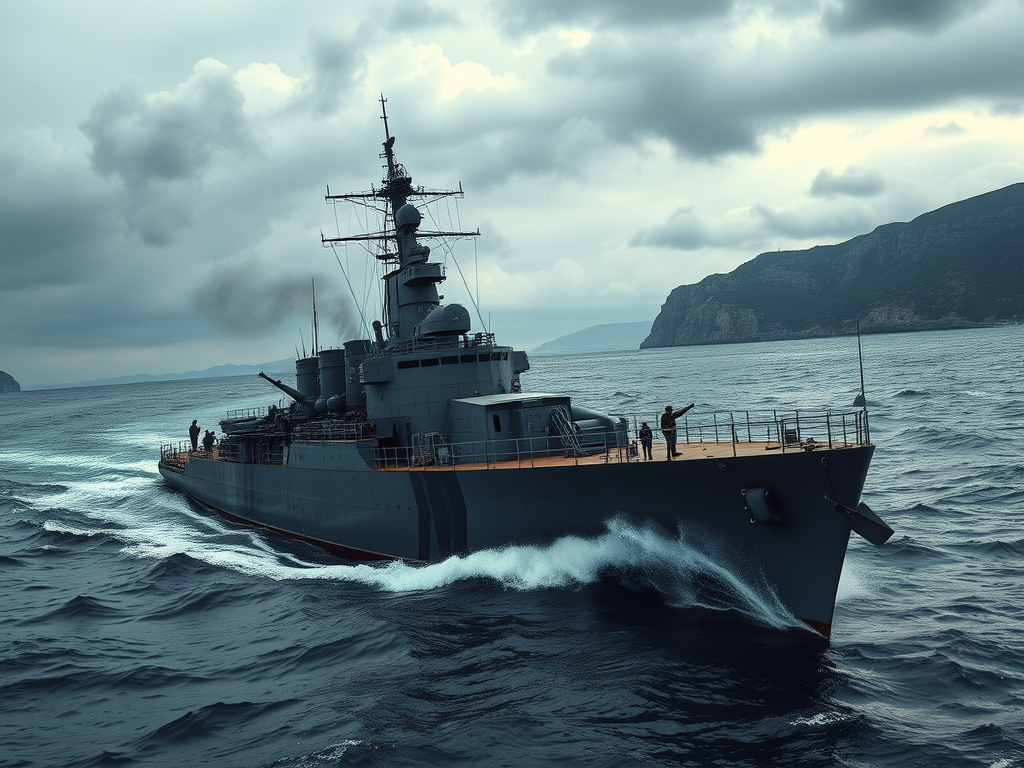
The dispute arose from incidents in the Corfu Channel, a narrow passage between Albania and the Greek island of Corfu. On October 22, 1946, two British destroyers, HMS Saumarez and HMS Volage, hit naval mines while navigating through the channel, resulting in severe damage and the loss of 44 British sailors.
The United Kingdom accused Albania of either directly placing the mines or failing to warn of their existence. Albania denied responsibility, arguing that Britain had violated its sovereignty by conducting unauthorized naval operations in its territorial waters.
“The law of nations is built on principles of justice, responsibility, and mutual respect. The Corfu Channel Case stands as a testament to these values.”
Legal Issues and Arguments ⚖️📝
The case presented several crucial questions of international law:
- State Responsibility for Harmful Acts 🏛️
- Could Albania be held accountable for the presence of naval mines within its territorial waters?
- Was there a duty to warn of the dangers posed to foreign vessels?
- Freedom of Navigation vs. Territorial Sovereignty 🚢
- Did Britain have the right to navigate Albanian waters without prior authorization?
- Use of Force and Self-Help Measures 💣
- Was Britain’s subsequent mine-sweeping operation in Albanian waters lawful?
- Evidentiary Standards in International Disputes 🧾
- What level of proof was required to establish Albania’s knowledge or involvement in the incident?
ICJ Judgment: A Defining Precedent ⚖️📜
On April 9, 1949, the International Court of Justice delivered its ruling. The judgment established several key principles:
- Albania’s Liability for the Mines: The ICJ ruled that Albania was responsible for the mines in its waters because it was inconceivable that such a large minefield had been laid without the knowledge of its authorities. This affirmed the doctrine of due diligence – a state must prevent its territory from being used for harmful acts against other nations (sic utere tuo ut alienum non laedas).
- Violation of Albanian Sovereignty by Britain: While the court recognized the right to innocent passage under customary international law, it held that Britain’s unilateral mine-sweeping operation in Albanian waters violated Albania’s sovereignty.
- Damages and Reparations: The ICJ ordered Albania to pay £843,947 in compensation to the UK for losses suffered due to the mine explosions.
Legal Significance and Doctrines Applied 📚
The Corfu Channel Case reinforced several foundational doctrines of international law:
- State Responsibility Doctrine: A state is responsible for wrongful acts within its territory, even if it did not directly commit them.
- Due Diligence Principle (sic utere tuo ut alienum non laedas)️: States must prevent their territory from being used in ways that harm other nations.
- Freedom of Navigation Doctrine: This case clarified the limits of navigational rights under international law.
Impact on Subsequent Cases and International Law📖
The principles established in this case influenced later judgments, including:
- Barcelona Traction Case (1970) 🏭 (Clarified state responsibility for economic injuries)
- Nicaragua v. United States (1986) 🇳🇮⚖️ (Addressed state responsibility for indirect support of military activities)
- Bosnian Genocide Case (2007) 🇧🇦🩸 (Affirmed due diligence responsibilities of states in preventing crimes)
Relevance in Today’s Justice System
In modern international disputes, the Corfu Channel Case remains a crucial reference point, particularly in maritime conflicts, state liability, and evidentiary standards in international tribunals. Recent applications include:
- South China Sea Disputes 🇨🇳🇵🇭🌊
- The case is often cited regarding territorial sovereignty and navigation rights.
- Ukraine v. Russia (2022) 🇺🇦⚔️
- The principles of state responsibility and due diligence are relevant in determining accountability for conflicts and damages.
- Environmental Cases 🌿⚖️
- The duty of states to prevent environmental harm to other nations stems from the due diligence principle affirmed in this case.
Conclusion: A Pillar of International Legal Order️
The Corfu Channel Case remains a cornerstone of international law, balancing state sovereignty and global responsibility. It reinforces that a state cannot remain passive when preventable harm occurs within its territory and that freedom of navigation is fundamental but not absolute.
This case has lasting implications for contemporary international law, particularly in areas of maritime disputes, environmental protection, and state accountability. The principles established continue to guide international courts in holding states responsible for actions within their territories and ensuring the lawful use of shared global spaces.
Reflect and Discuss 🤔💭
- How do you think the principles of this case apply to modern maritime disputes, such as the South China Sea conflict?
- Should states have broader rights to intervene in foreign waters for security reasons, or does sovereignty always take precedence?
- How can international law evolve to address emerging issues in state responsibility and global security?
Share your thoughts in the comments! 👇💬
#InternationalLaw #CorfuChannelCase #StateResponsibility #FreedomOfNavigation #MaritimeLaw #ICJ #LegalHistory
Discover more from Dr. Ganesh Visavale
Subscribe to get the latest posts sent to your email.
 Dr. Ganesh Visavale