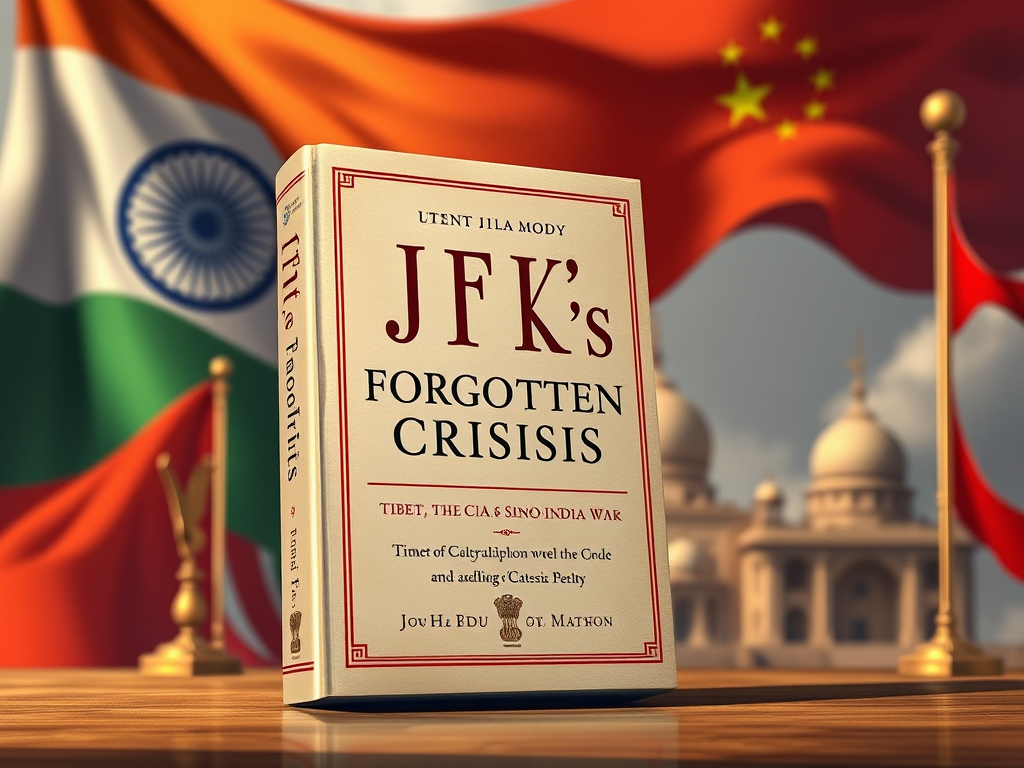
During his recent Motion of Thanks address, PM Narendra Modi recommended 📚 JFK’s Forgotten Crisis: Tibet, the CIA, and the Sino-Indian War by Bruce Riedel. This was in response to criticisms of India’s foreign policy 🇮🇳, particularly regarding China 🇨🇳.
But why does a book about 1962 matter today? 🤔 And how does it connect to international law? ⚖️
🔍 The 1962 Crisis & Realpolitik
In 1962, the U.S. secretly aided India 🇮🇳 against China 🇨🇳 while balancing Cold War tensions ❄️🔥. The CIA’s Tibetan operations added another layer of intrigue.
📌 Key Legal Question:
➡️ Do nations respect international law in conflicts, or does realpolitik always take over?
⚖️ International Law vs. Power Politics
🔹 UN Charter, Article 51: Right to self-defense in case of armed attack.
🔹 International Humanitarian Law (IHL): How do legal protections apply in proxy conflicts?
🔹 Historical Precedent: Then JFK helped India, today new alliances (QUAD, AUKUS) shape India’s foreign policy.
📌 Critical Debate:
➡️ Can international law truly prevent expansionist policies, or is it just a tool for powerful nations?
🚨 Modi’s Message: A Strategic Reminder?
By citing Riedel’s book, PM Modi might be signaling:
✅ India’s strategic autonomy is shaped by past challenges.
✅ Legal frameworks must work alongside realpolitik.
✅ Lessons from 1962 still shape global diplomacy.
💬 Over to You!
As lawyers, researchers, and policy experts, let’s discuss:
👉 Should international law evolve to counter power imbalances?
👉 Are legal norms enough to stop expansionist policies?
👉 What role should historical precedents play in modern diplomacy?
Drop your thoughts below! 👇 Let’s make this an engaging legal discussion. 🔥
Discover more from Dr. Ganesh Visavale
Subscribe to get the latest posts sent to your email.
 Dr. Ganesh Visavale